 Beijing Guoan Hub
The early stages of the Chinese Super League season have unfolded with a narrative so shocking it borders on the unbelievable: after just nine rounds, both Beijing Guoan, the reigning CFA Cup champions, and Shanghai Port, the current CSL title holders, are languishing in the relegation zone. This unprecedented scenario has sent shockwaves through Chinese football, leaving fans and pundits alike grappling with the stark reality of their respective club’s dire predicament.
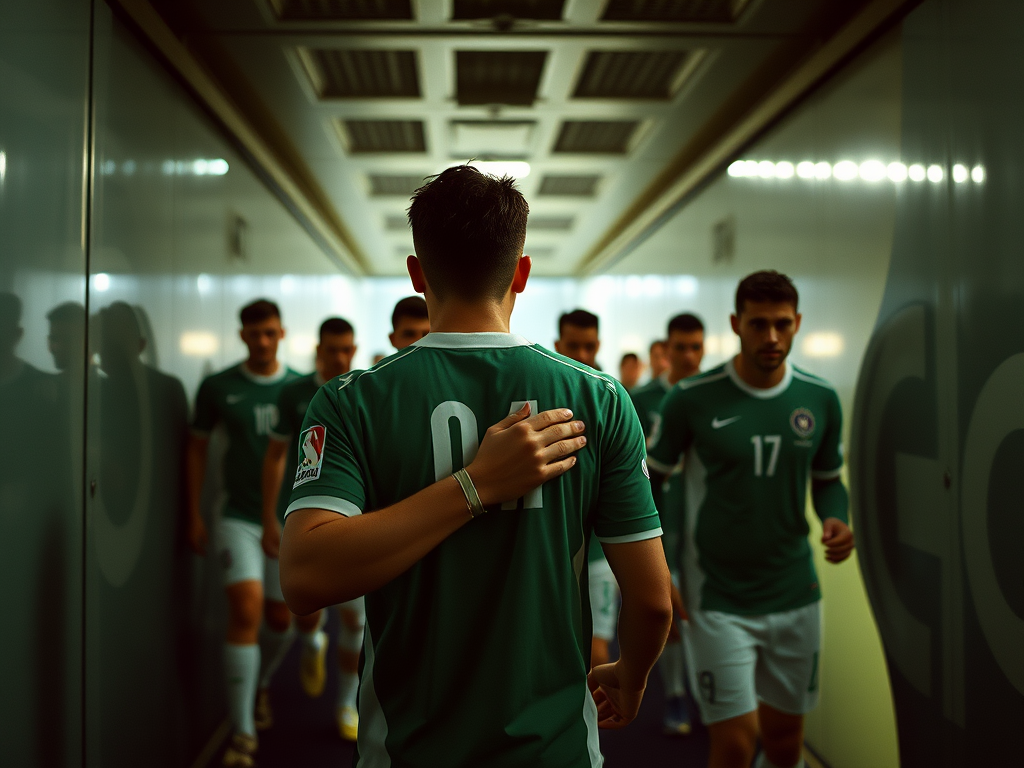
For the Imperial Guards of Beijing Guoan, this turn of events feels like a cruel twist of fate following their triumphant CFA Cup campaign. Just months ago, the Workers' Stadium roared with joy as our beloved club lifted the coveted trophy, signaling a bright future and renewed ambitions for domestic dominance. Now, the same stadium echoes with murmurs of anxiety. The squad, largely unchanged from its cup-winning iteration, seems to have lost its tactical cohesion and competitive edge. Managerial decisions, perhaps once hailed as genius, are now under intense scrutiny, with questions arising about team selection, in-game adjustments, and the overall strategic direction. Key foreign players, vital to last season's success, appear to be struggling for form or fitness, failing to provide the decisive moments expected of their caliber and hefty price tags. Our local talent, while showing flashes of individual brilliance, often find themselves isolated or overwhelmed in the demanding pace of the CSL.
Across the country, Shanghai Port's situation is equally perplexing and perhaps even more startling given their status as defending champions. Having celebrated a glorious league title just months prior, their descent into the relegation mire is a stark reminder of the CSL's unforgiving nature. What seemed like a well-oiled machine of talent and experience now looks disjointed and bereft of confidence. High-profile international stars, who were instrumental in their championship run, are either misfiring or seem disconnected from the collective effort. The pressure on their coaching staff must be immense, tasked with resurrecting a squad that, on paper, should be challenging for the top spot, not fighting for survival. Their struggles highlight a deeper malaise, suggesting that perhaps the celebratory hangover has been too prolonged, or that complacency has seeped into a dressing room accustomed to success.
For Guoan, the issues appear multifaceted. Tactically, there's been a noticeable lack of fluidity in attack, often resorting to predictable patterns that are easily contained by opposition defenses. The midfield, once the engine room of the team, has struggled to assert control, frequently losing possession and failing to provide adequate protection for the backline. Defensively, uncharacteristic errors have crept into our game, leading to avoidable goals conceded at critical junctures. The "always strive for first" mantra feels distant when the team struggles to string together passes, let alone victories. There's a palpable sense of frustration emanating from the players, which in turn feeds into a negative cycle on the pitch. Injuries to crucial squad members have certainly not helped, but even with a relatively full roster, the spark seems to be missing.
The Green Army faithful, known for their unwavering passion and vocal support, are understandably dismayed. The Workers' Stadium, usually a fortress of noise and intimidation for visiting teams, now carries an air of apprehension. Online forums and social media platforms are ablaze with discussions, ranging from impassioned calls for immediate managerial changes to heartfelt pleas for the players to rediscover their fighting spirit. While the frustration is undeniable, there’s also a deep-seated belief in the club’s DNA—a resilience that has seen Guoan overcome adversities before. Chants of "Yongyuan Zheng Diyī" still ring out, albeit with a renewed urgency, serving as a reminder of the standards expected from this proud club. Fans demand answers, but more importantly, they demand a concerted effort to climb out of this unprecedented crisis.
This dramatic turn of events also casts a spotlight on the evolving landscape of the CSL. The league is undoubtedly more competitive than ever, with numerous teams demonstrating tactical sophistication and a renewed hunger for success. The fact that two of the biggest names, with significant financial backing and star power, can find themselves in such a precarious position after only nine rounds underscores the increasing parity. It’s a testament to the growth of the league, but also a cautionary tale for any club, no matter their pedigree, that complacency or a dip in form can quickly lead to disaster. Other teams, often with smaller budgets, are playing with tenacity and organization, capitalizing on the struggles of the traditional powerhouses.
As the CSL season progresses, the battle for survival will undoubtedly intensify for both Beijing Guoan and Shanghai Port. The coming weeks will be critical, demanding an immediate and decisive response from both clubs. For Guoan, the focus must shift entirely from past glories to the pressing need for points, tactical adjustments, and a renewed sense of collective purpose. The road back to respectability and away from the unthinkable prospect of relegation is long and arduous, but the "Imperial Guards" have a history of overcoming challenges. Now, more than ever, the spirit of "Always strive for first" must translate into tangible results on the pitch, starting with the very next fixture. The fight to preserve their top-flight status, and indeed their pride, begins now.