 Beijing Guoan Hub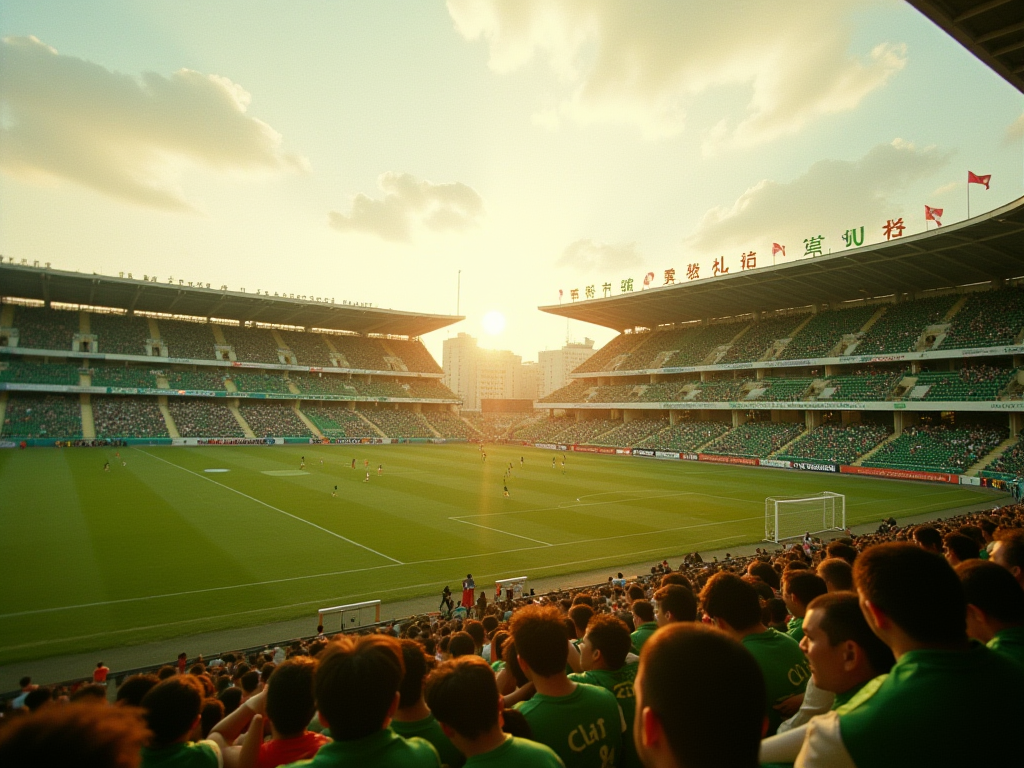
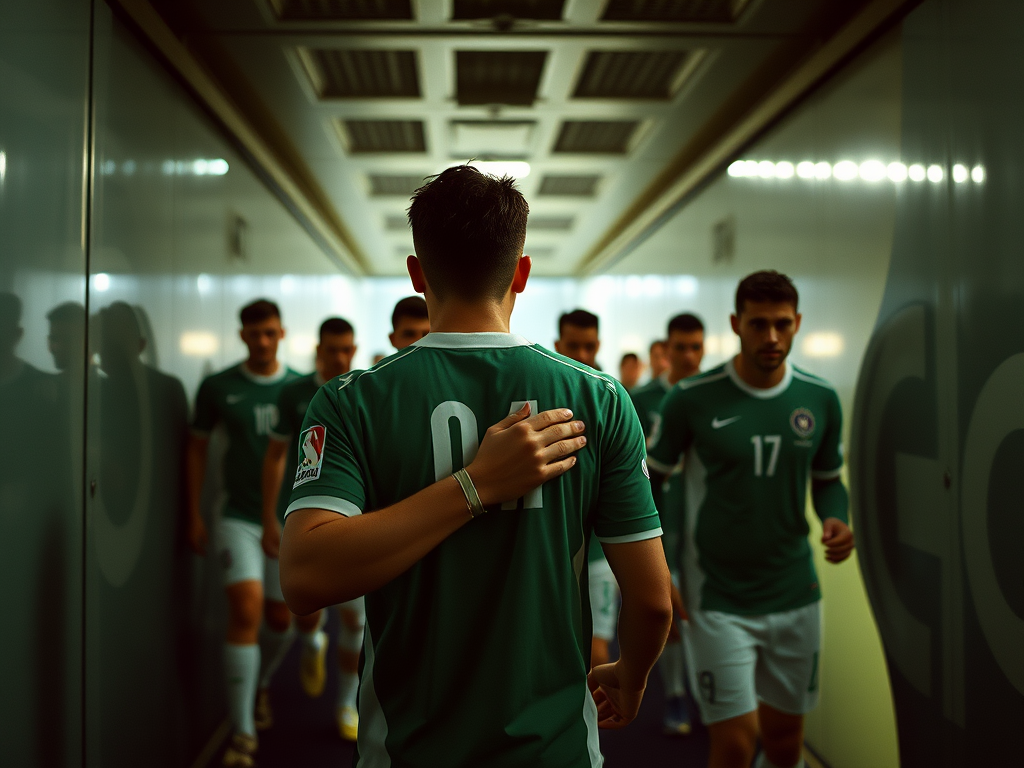
Beijing, our home, our green faith – Beijing Guoan, is currently navigating an unprecedented challenge. As the drumbeat of the Chinese Super League continues, the Imperial Guards find themselves in an unfamiliar and unsettling position: 12th place in the league table. This not only casts a significant doubt on the team's true capabilities but also presents a severe test to the long-held belief of “always striving for first” in the hearts of Beijing's faithful.
Twelfth place is undoubtedly a heavy blow for a powerhouse club with such deep roots, substantial financial backing, and aspirations of challenging for the AFC Champions League spots and even the CSL title. Looking back at the start of the season, both media and fans generally considered Guoan a strong contender for at least a top-four finish. However, reality has been cold and cruel. The gap to teams at the top of the table, such as Chengdu Better City FC and Chongqing Tonglianglong FC, is widening, and even newly promoted Dalian Yingbo FC appears more consistent than us. This isn't merely a few lost matches; it's a concentrated manifestation of deeper issues concerning the team's overall form, tactical execution, and fighting spirit.
Delving into the team's current predicament, it's clear that tactical issues lie at the core. This season, the team seems to have lost its once fluid collective play and incisive counter-attacking ability. In attack, foreign forwards often find themselves isolated, their link-up play with the midfield and wings severed, leading to a lack of sufficient support and chance creation in the box. Local players' involvement in attack also appears insufficient, lacking the courage and capability to step up in crucial moments. In several key matches, despite numerous shots, our efficiency in truly threatening the opponent's goal has been unsatisfactory, often surrounding the box without truly penetrating, squandering valuable opportunities. Conversely, in defense, what should be Guoan's foundation – a solid defensive line – has repeatedly committed elementary errors. Whether it's marking issues during set-piece defense or gaps on the flanks, opponents have found too many avenues to score. While the young players in the defense possess potential, their lack of experience and composure in critical situations has also rendered the team's overall defensive system vulnerable.
Beyond tactical concerns, fluctuations in player form and injury issues have also significantly impacted the team. Several key players, both seasoned veterans and those in their prime, who were expected to deliver, have failed to consistently perform at a high level. Their inconsistent form makes it difficult for the team to achieve stable overall performance. Meanwhile, frequent injuries have disrupted the head coach's squad selection and tactical planning, preventing the team from establishing a stable starting lineup and tactical system. The chemistry between players has suffered significantly, and on-field coordination appears disjointed, all implicitly weakening the team's competitiveness. The head coach's on-the-spot command and tactical adjustments have also drawn criticism, particularly when trailing or in stalemate situations, where the team often lacks effective strategies to turn the tide promptly.
For the vast number of Guoan fans, this situation is undoubtedly bitter. The Workers' Stadium, this green ocean that carries countless glories and dreams, once a nightmare for opponents, is now tinged with a sense of unease. Although fans continue to support the team with the loudest songs and most fervent applause, disappointment and anxiety are quietly brewing. On social media, discussions about the team's performance are rampant, expressing heartache, criticism, and concerns for the future. Fans yearn to see a Guoan team full of fighting spirit and resolve, eager to see them battle for every inch of grass on the field, and fight for every victory. This hunger for victory, this devotion to honor, is an indispensable part of Guoan's culture and precisely the flame the team most needs to rekindle.
Facing the current predicament, the club's hierarchy and coaching staff must conduct deep introspection and make swift adjustments. The upcoming summer transfer window might be a critical period for the team's self-redemption. Will new foreign players arrive to bolster the team's attacking firepower or plug defensive leaks? How will the acquisition of local players enhance the team's overall strength and squad depth? Furthermore, the coaching staff needs to refine and adjust the existing tactical system more meticulously, developing more targeted strategies based on player characteristics. More importantly, the team needs to rebuild its team spirit and cohesion, enabling every player to strive for common goals and rediscover the steel-blooded style of the Imperial Guards. This is not just a simple change of personnel or tactics, but a self-revolution from within.
The season is not over, but time is running out for Beijing Guoan to turn the tide. From the current 12th place ranking, challenging for AFC Champions League qualification is already a distant dream; even securing a stable mid-table position will require tremendous effort. The team's primary goal should be to halt the slide, improve its league standing, restore team morale, and lay a solid foundation for the second half of the season. Everyone working at Beijing Guoan Football Club, from management to coaches and every single player, bears significant responsibility. They need to demonstrate sufficient courage and accountability, working together to bring the Imperial Guards back to their rightful place, living up to the unwavering expectations and affection of Beijing's fans. This is not just for the results of one season, but for safeguarding the dignity and glory of Beijing football.